How to Care for Antique Pine Furniture — Tips From a Norfolk Restorer
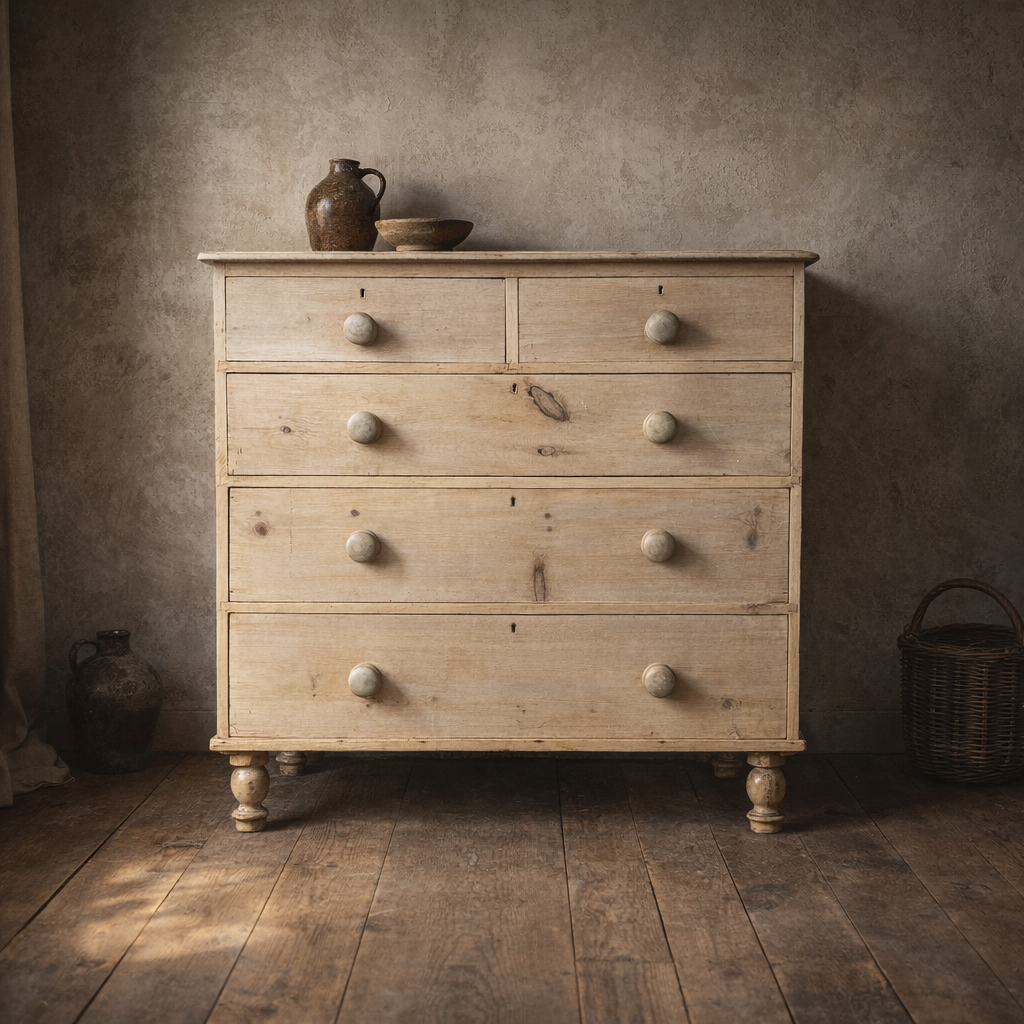
After seven years and over 500 pieces of antique and Victorian pine through our workshop here in Hingham, Norfolk, we've seen it all. The beautiful, the neglected, and the genuinely heartbreaking. And almost every piece that comes in damaged? It didn't have to be that way.
Caring for antique pine isn't complicated — but there are a few things most people get wrong. Here's exactly what we'd tell you after buying one of our pieces.
Dust It Regularly
This one really is as simple as it sounds. A soft, dry cloth once a week is all it takes to stop dust and grime building up on the surface. Avoid anything with chemicals — even seemingly innocent furniture sprays can strip the natural oils from the wood over time and leave the surface looking flat and dull.
A feather duster works well for carved details or mouldings where a cloth won't easily reach.
Wax It Once a Year — Without Fail
This is the big one. The single most common issue we see when pieces come into the workshop is a dry, unprotected surface caused by years of not being waxed. Antique pine needs feeding. Without a regular wax, the surface becomes increasingly vulnerable — less durable, more prone to marking, and harder to restore when things go wrong.
Once a year is all it takes. We recommend Briwax as our first choice — it's what we use in our own workshop and it does an excellent job of nourishing the wood and bringing up a lovely natural sheen. If you can't get hold of Briwax, Fiddes is a solid alternative.
A word on colour: if your piece is already waxed, applying a new coat won't dramatically change the tone. But if you want to be safe and keep the colour as close to the original as possible, go for a clear wax. If you're happy for it to warm up slightly, a medium brown or antique pine shade works beautifully on most Victorian pine and tends to enhance the natural grain rather than mask it.
Apply with a soft cloth, work it in with the grain, leave it for 10-15 minutes and buff off. Job done.
Keep Chemicals Away From It
Antique pine and modern cleaning products don't mix. Avoid anything with silicone, bleach, or harsh solvents — these can permanently damage the surface, strip the patina you're trying to preserve, and in some cases cause irreversible discolouration.
Beeswax-based products only. If in doubt, less is more.
Deal With Spills Immediately
Water is the enemy of antique pine — not because it destroys it instantly, but because if left to sit it causes watermarks and staining that are genuinely difficult to shift. If you spill something, blot it immediately with a dry cloth. Don't rub — blot.
The ring marks and watermarks we see most often? Almost always from leaving a hot cup of tea directly on the surface without a coaster. It seems minor at the time but those marks can go surprisingly deep into the wood. Use a coaster. Every time.
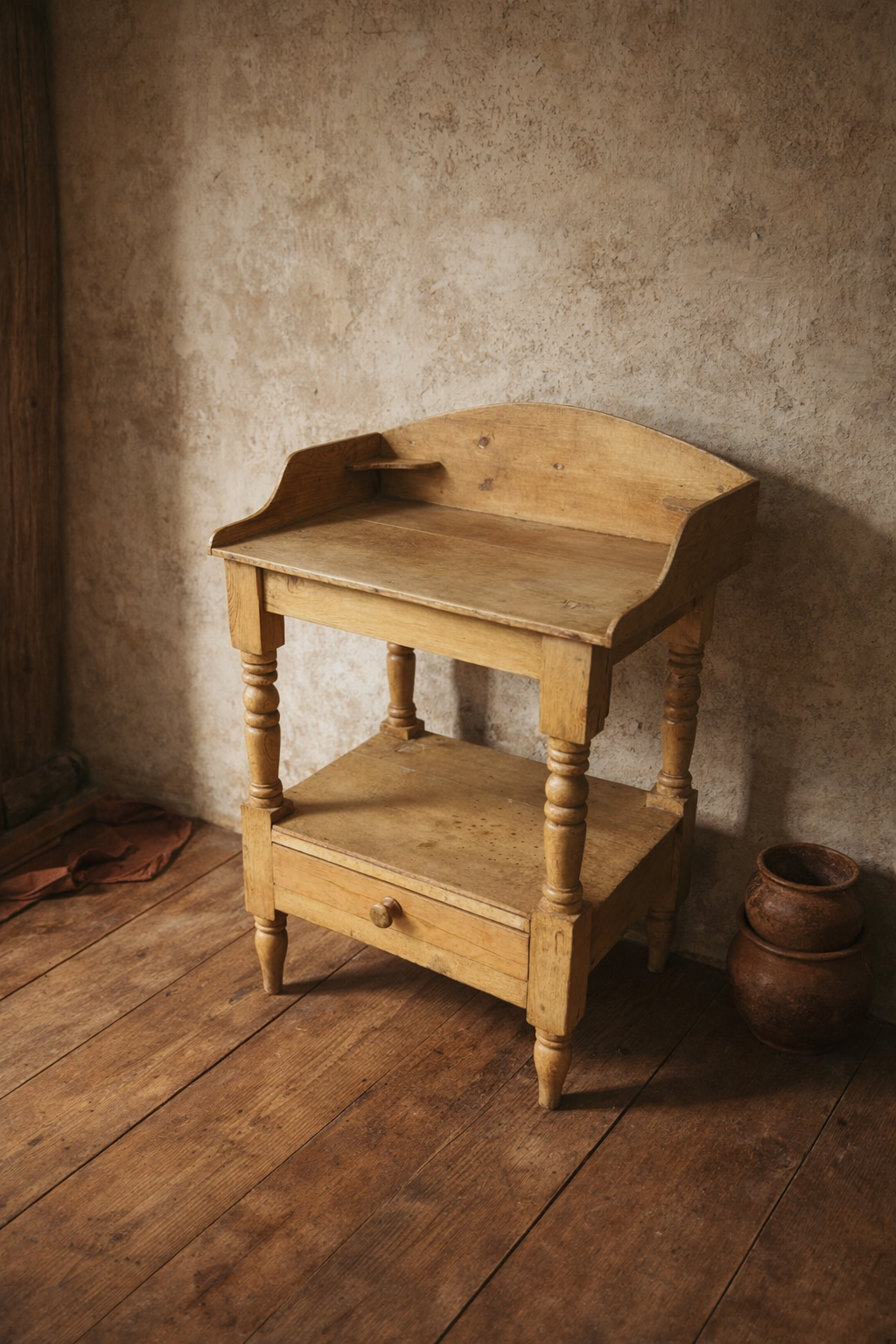
Keep It Away From Direct Heat and Sunlight
Antique pine has spent a long time acclimatising. Sudden changes in temperature and humidity — like sitting next to a radiator or in direct sunlight — can cause it to dry out, crack, or warp. Position pieces away from direct heat sources and use blinds or curtains to limit prolonged sun exposure.
This is especially important for larger pieces like wardrobes and dressers where movement in the wood can affect how doors and drawers sit.
Watch Out for the Cat
This one might sound like a joke — it isn't. Cats and antique pine are not a great combination. Scratching, claws catching on waxed surfaces, and the occasional territorial moment can all leave marks that are difficult or impossible to fully remove. If you've got a cat with a habit of climbing the furniture, it's worth thinking about where you position your pieces.
Fix Sticky Drawers With Wax
If your drawers are stiff, sluggish or just not running as smoothly as they should, don't reach for the sandpaper. Nine times out of ten the fix is much simpler — and it takes about two minutes.
Pull the drawer out completely and run either a furniture wax or a plain household candle along the wooden runners — both the runners on the drawer itself and the runners inside the carcass that it slides on. Give it a quick buff and slide the drawer back in. The difference is immediate and honestly quite satisfying.
This works because over time the wood dries out and the surfaces lose their natural slip. A thin layer of wax lubricates everything without damaging the wood or altering the finish in any way. It's one of those things that sounds too simple to work — but it really does.
The Bottom Line
Antique pine has already lasted 100, 150, sometimes 200 years. With a bit of basic care it'll outlast all of us. Dust it weekly, wax it once a year with a good beeswax product, keep the chemicals and the hot mugs away from it, and it'll reward you with decades more of warmth and character.
If you've got a piece that's already seen better days — watermarks, a dry surface, damaged finish — don't panic. Restoration is what we do. Get in touch and we'll talk you through the options.
Bring It Home Furniture are antique and Victorian pine specialists based in Hingham, Norfolk. We source, restore and sell characterful pieces from across the UK, with nationwide delivery available.
